
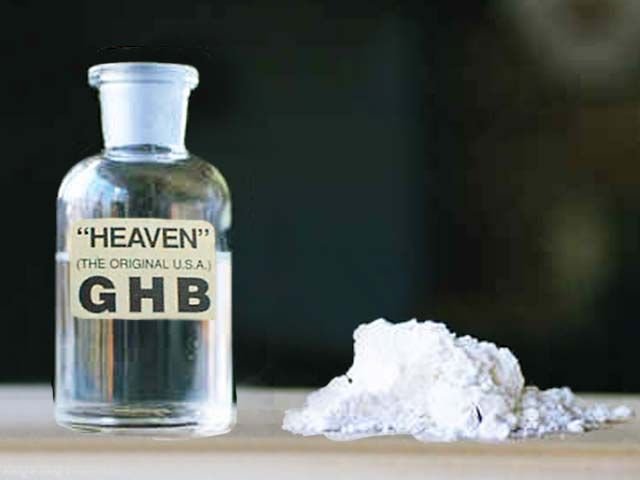
GHB (gamma-hydroxybutyrate)
GHB (gamma-hydroxybutyrate) is a central nervous system depressant. It has legitimate medical uses in some countries, but it is also used recreationally and has significant risks because the difference between a desired dose and a dangerous dose can be small.
Medical uses
Prescription forms of GHB are used to treat:
- Narcolepsy, particularly:
- Excessive daytime sleepiness
- Cataplexy (sudden loss of muscle control)
Recreational effects
People may use GHB because it can produce:
- Relaxation
- Euphoria
- Reduced inhibitions
- Increased sociability
- Sleepiness
- A sense of well-being
Common side effects
Even at lower doses, GHB can cause:
- Drowsiness
- Dizziness
- Nausea and vomiting
- Confusion
- Poor coordination
- Blurred vision
- Slurred speech
- Memory impairment
Serious side effects and risks
Higher doses or combining GHB with other depressants can lead to:
- Loss of consciousness
- Difficulty breathing or stopped breathing
- Seizures
- Slow heart rate
- Coma
- Death
The risk is especially high if GHB is mixed with:
- Alcohol
- Benzodiazepines (such as diazepam or alprazolam)
- Opioids
- Other sedatives
Dependence and withdrawal
Frequent use can lead to dependence. Withdrawal symptoms may include:
- Anxiety
- Insomnia
- Tremors
- Sweating
- Rapid heart rate
- Hallucinations
- Delirium (in severe cases)
Severe GHB withdrawal can be life-threatening and often requires medical treatment.
Important safety information
Because GHB is colorless and nearly odorless when dissolved, it has been used in drug-facilitated sexual assault. For that reason, it’s safest to:
- Never leave drinks unattended.
- Avoid accepting opened drinks from people you don’t know or trust.
If someone who has taken GHB is difficult to wake, has slowed or stopped breathing, has repeated vomiting while unconscious, or has a seizure, treat it as a medical emergency and call emergency services immediately.